
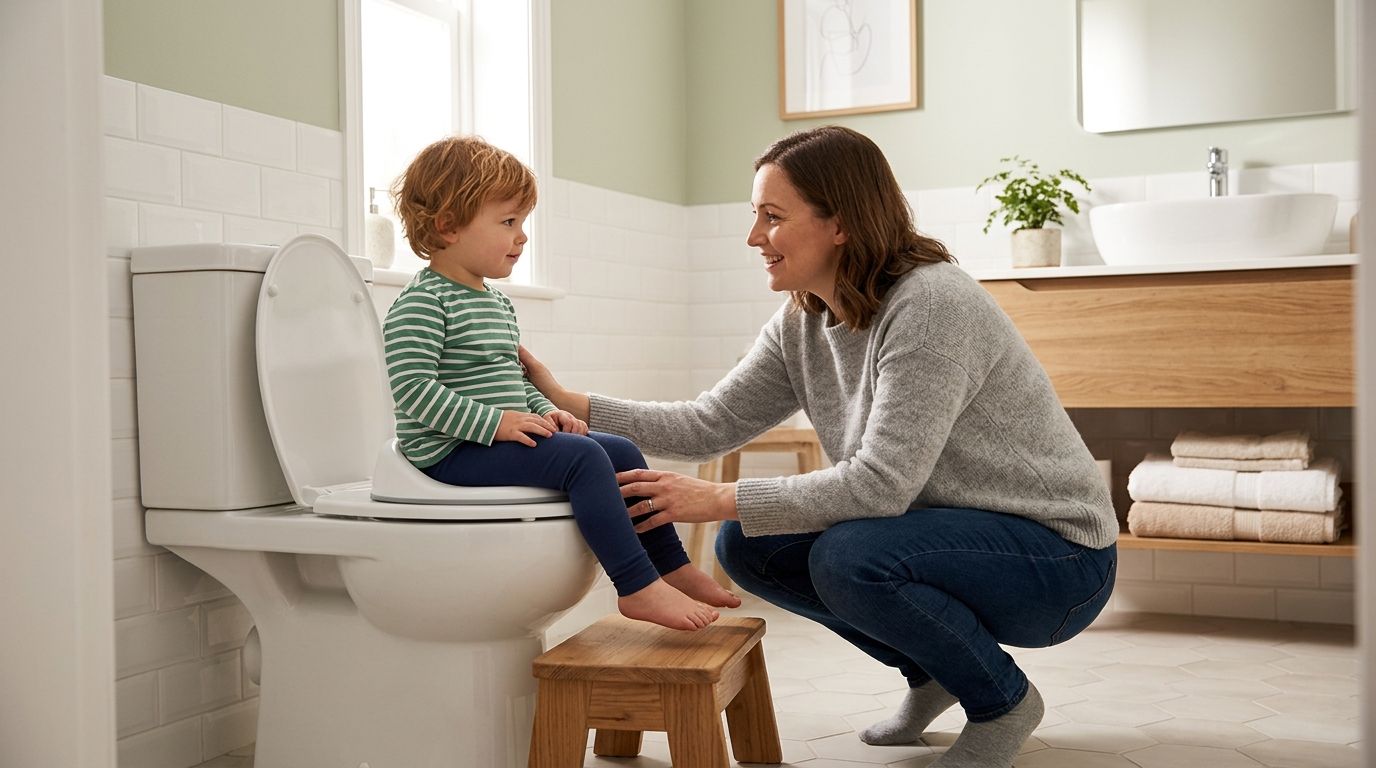
Toilet training is a major developmental milestone, but for many families of children on the autism spectrum, it can feel especially challenging. Delayed readiness, communication differences, sensory sensitivities, and resistance to routine changes can all affect progress. If you are wondering how to potty train a child with autism, you are not alone.
Applied Behavior Analysis (ABA) offers a structured, compassionate, and evidence-based approach to toilet training that focuses on readiness, consistency, and positive reinforcement. With the right plan, many children with autism can successfully learn toileting skills and gain greater independence.
Children with autism may face unique barriers that make traditional toilet training methods less effective. Common challenges include:
Understanding these factors helps parents approach potty training with empathy rather than frustration. In ABA therapy, the goal is not to rush the process but to build skills systematically.
Readiness matters more than age. Some children with autism are ready earlier, while others need additional time.
Look for these indicators:
If several of these signs are present, your child may be ready to begin a structured toilet training program.
ABA toilet training emphasizes predictability. A consistent schedule helps children understand expectations and reduces anxiety.
Start by:
Many children with autism respond well to visual information. Visual schedules, picture cards, or step-by-step charts can clarify the toileting process.
A simple visual sequence might include:
Visual supports reduce reliance on verbal instructions and promote independence over time.
Positive reinforcement is central to ABA therapy. When your child successfully uses the toilet, provide immediate praise and a meaningful reward.
Effective reinforcers may include:
The reward should be motivating and delivered right after success so the child connects the behavior with the outcome. Avoid punishment for accidents. Accidents are part of learning and should be handled calmly.
Some children resist sitting on the toilet. Before expecting results, focus on building comfort with sitting.
Start small:
Building tolerance reduces fear and creates a foundation for success.
Children with autism may not automatically connect internal sensations with toileting behavior. Scheduled sits help create that connection over time.
Strategies to improve awareness include:
Consistency helps the child learn to associate physical feelings with the bathroom routine.
As independence improves, supports should be reduced gradually.
This may involve:
The long-term goal is independent toileting across environments, including school and community settings.
Nighttime dryness often develops after daytime success and may take significantly longer. Hormonal factors, sleep patterns, and bladder capacity all play a role.
Focus first on daytime training. Night training can be addressed when:
Patience is key, as nighttime continence is largely developmental.
Fear of flushing: Allow the child to leave before flushing or use noise-reducing strategies.
Sensory discomfort: Try padded seats, foot support, or different bathroom lighting.
Holding urine or stool: Consult professionals to rule out medical issues and adjust reinforcement strategies.
Regression: Changes in routine, illness, or stress can temporarily disrupt progress. Resume the structured plan calmly.
A Board Certified Behavior Analyst (BCBA) can design an individualized toilet training program based on your child’s needs.
This may include:
Professional guidance can significantly reduce trial-and-error and improve outcomes.
Toilet training is not just a skill, it affects family routines, stress levels, and a child’s sense of independence. Progress may be uneven, and setbacks are normal.
Celebrating small steps matters. Sitting calmly, communicating needs, or staying dry longer are all meaningful gains. Approaching the process with patience, compassion, and consistency helps children feel supported rather than pressured.
At Kiwi Kids ABA, we believe data should empower families, not overwhelm them. Our therapists use data to guide compassionate, personalized teaching while clearly communicating progress in a parent friendly way. We focus on helping families understand what the data means and how it reflects growth in communication, independence, and emotional regulation.
If you have questions about how progress is measured or want support understanding your child’s ABA goals, contact Kiwi Kids ABA to schedule a consultation.
Our team of experienced therapists is dedicated to helping children with autism and other developmental disabilities reach their full potential. We are committed to creating a supportive and nurturing environment where every child can thrive.
Contact us today to learn more about our services and how we can support your child's development.