
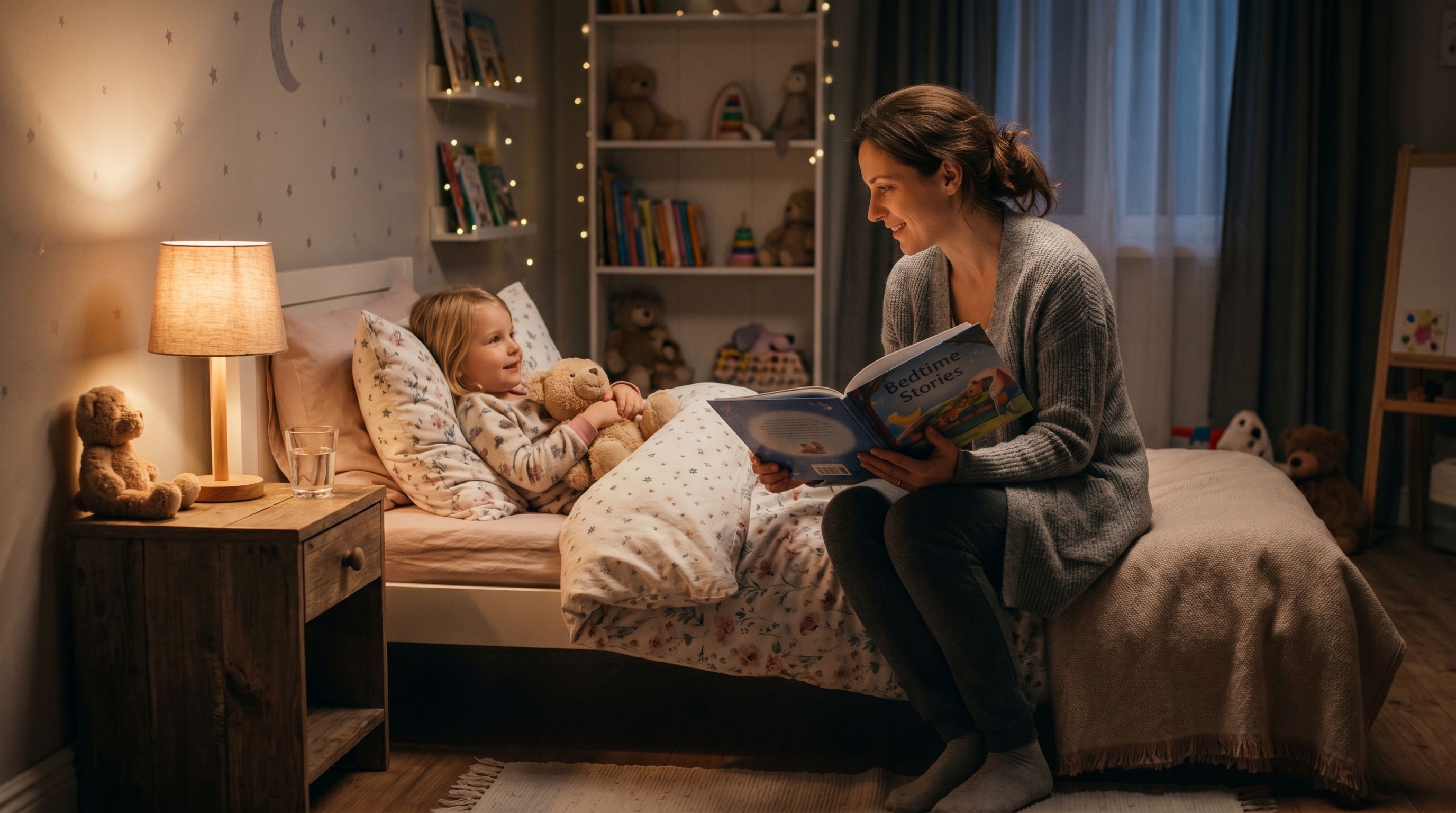
Sleep challenges are extremely common among children with autism. Difficulties falling asleep, frequent night wakings, bedtime resistance, and irregular sleep routines can affect not only the child’s well-being but also the entire family’s quality of life.
When children do not get enough restful sleep, it can impact behavior, emotional regulation, learning, and daily functioning. Parents may also experience exhaustion, stress, and difficulty maintaining routines.
The good news is that behavioral strategies rooted in ABA principles can help improve sleep habits over time. In this blog, we explore common sleep challenges in autism and practical approaches to creating healthier bedtime routines.
Children with autism may experience sleep difficulties for several reasons, including:
Sleep disruptions can look different for every child, but common patterns include:
Understanding the underlying factors is important for developing effective support strategies.
ABA therapy focuses on understanding behavior patterns and teaching healthier routines through consistency and reinforcement.
Behavioral sleep strategies help children:
Consistency and gradual change are essential for long-term success.
Children with autism often benefit from highly structured routines.
A calming bedtime routine may include:
Keeping the same sequence every night helps children understand that bedtime is approaching.
Visual schedules can reduce anxiety and improve cooperation.
A bedtime chart may include pictures showing:
Visual supports make routines easier to process and follow independently.
Screens can interfere with sleep quality and increase stimulation before bedtime.
Try to:
This helps the brain transition into a more relaxed state.
Some children resist bedtime because they associate it with separation, boredom, or loss of preferred activities.
Reward cooperative bedtime behaviors, such as:
Praise and rewards encourage consistent behavior over time.
Abrupt changes can increase distress. Provide reminders such as:
Advance warnings help children prepare emotionally for transitions.
Night wakings can become challenging if children rely on specific conditions to fall back asleep.
Behavioral strategies may include:
Consistency is important to prevent reinforcing nighttime wakefulness.
The sleep environment can significantly affect sleep quality.
Consider:
For children with sensory sensitivities, small environmental adjustments can make a meaningful difference.
Some children become dependent on parental presence to fall asleep.
ABA-based approaches often focus on gradually increasing independence by:
Progress may take time, but gradual changes are often more successful and less stressful.
If sleep challenges significantly affect daily functioning, consult professionals who understand autism and behavioral interventions.
Collaboration between parents, therapists, and healthcare providers can help identify underlying factors and develop individualized solutions.
Sleep challenges in autism can feel exhausting, but consistent behavioral strategies can lead to meaningful improvements over time.
By creating predictable routines, reducing stimulation, and teaching independent sleep habits, families can support healthier sleep patterns and improve overall well-being.
Progress may be gradual, but small consistent changes often lead to long-term success.
At Kiwi Kids ABA, we believe data should empower families, not overwhelm them. Our therapists use data to guide compassionate, personalized teaching while clearly communicating progress in a parent friendly way. We focus on helping families understand what the data means and how it reflects growth in communication, independence, and emotional regulation.
If you have questions about how progress is measured or want support understanding your child’s ABA goals, contact Kiwi Kids ABA to schedule a consultation.
Our team of experienced therapists is dedicated to helping children with autism and other developmental disabilities reach their full potential. We are committed to creating a supportive and nurturing environment where every child can thrive.
Contact us today to learn more about our services and how we can support your child's development.