
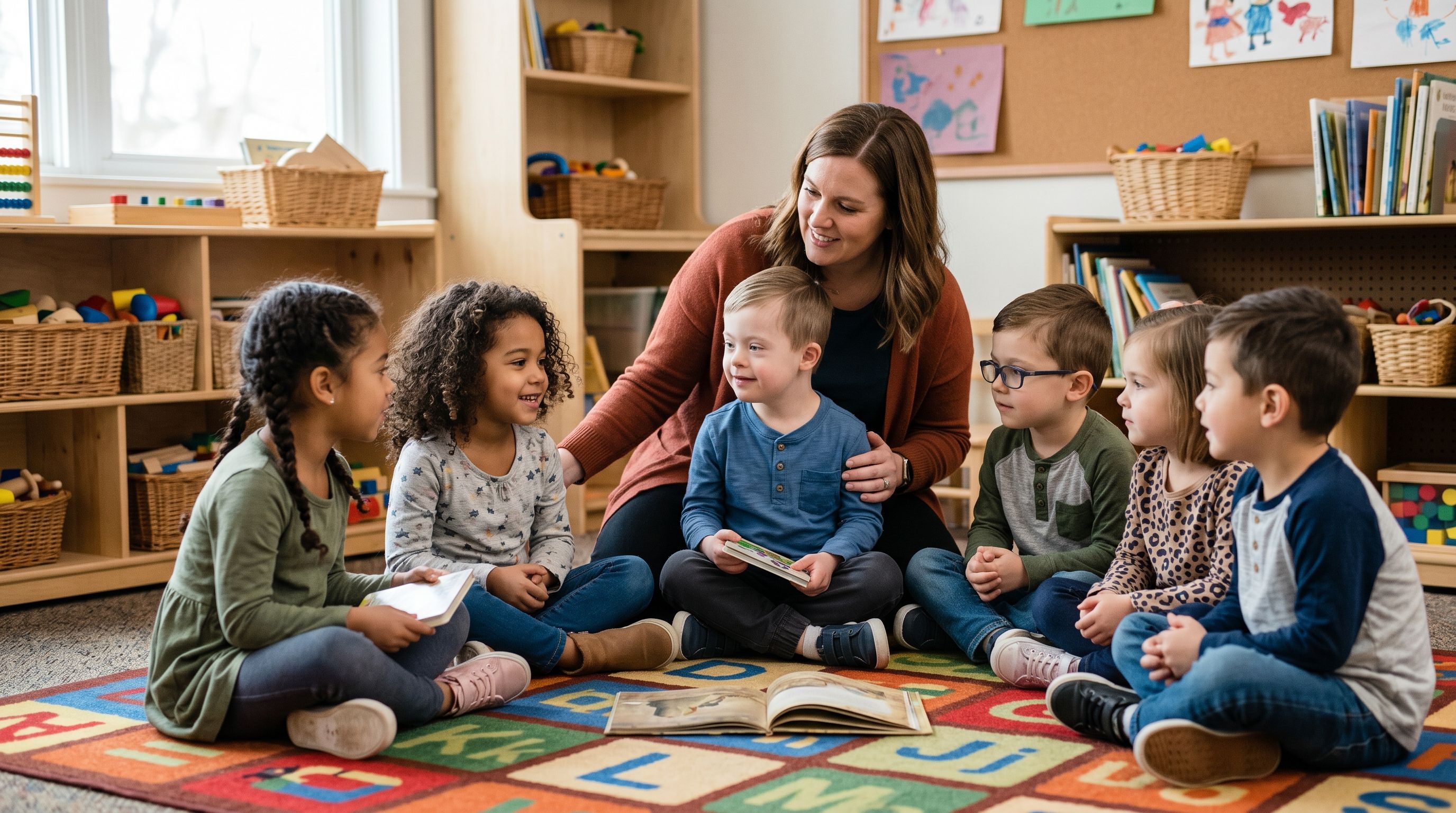
Starting kindergarten is a major milestone—for children and parents alike. While it brings excitement, it can also raise important questions, especially for families of children receiving ABA therapy. One of the most common concerns parents have is: “Is my child truly ready for school?”
School readiness is not just about academics. It involves a wide range of developmental abilities including communication, social interaction, independence, emotional regulation, and the ability to follow routines. These foundational skills play a critical role in helping children adapt to a structured classroom environment.
Applied Behavior Analysis (ABA) therapy is highly effective in building these essential skills through structured, individualized teaching. In this blog, we explore how ABA supports kindergarten readiness and how parents can actively prepare their child for a smooth transition.
When preparing for kindergarten, many parents focus on early academic skills like recognizing letters, shapes, or numbers. While these are helpful, educators consistently emphasize that behavioral and functional skills are far more important in the early school years.
Children entering kindergarten are expected to:
For children with developmental delays, these skills often need to be taught intentionally. This is where ABA therapy for school readiness becomes especially valuable.
ABA therapy uses evidence-based strategies to teach skills in a structured and measurable way. By breaking down complex behaviors into smaller steps and reinforcing progress, children gradually develop abilities that are essential for classroom success.
1. Communication Skills
Strong communication skills are foundational for learning and interaction in school. ABA focuses on helping children develop functional communication, whether verbal or non-verbal.
Children learn to:
These skills ensure that children can actively participate in classroom activities and reduce frustration caused by communication challenges.
2. Social Skills Development
Kindergarten is a socially dynamic environment where children are expected to interact regularly with peers. ABA helps children develop key social skills for kindergarten, such as:
Through structured play and guided practice, children build confidence and learn how to navigate social situations effectively.
3. Following Instructions and Classroom Behavior
One of the biggest adjustments in kindergarten is adapting to structured expectations. Children must be able to follow instructions and participate in group learning.
ABA therapy targets:
These skills are reinforced consistently, helping children become more comfortable with classroom routines and expectations.
4. Emotional Regulation
A classroom environment can be overwhelming due to new routines, transitions, and social demands. Emotional regulation is essential for managing these challenges.
ABA supports emotional regulation in children by teaching them to:
These strategies help children remain engaged and responsive in a structured setting.
5. Independence and Self-Help Skills
Independence is a key component of kindergarten readiness. Children are expected to manage basic self-care tasks with minimal assistance.
ABA helps build independence skills in children, including:
Developing these skills boosts confidence and allows children to function more independently in school.
6. Transition and Routine Adaptability
Kindergarten involves frequent transitions from playtime to learning, from one activity to another. For many children, these changes can be challenging.
ABA therapy teaches children to:
These abilities are critical for maintaining participation throughout the school day.
While ABA therapy provides structured teaching, parental involvement significantly enhances progress. Consistency between therapy and home environments helps children generalize skills more effectively.
Create Predictable Routines Establish daily schedules that mirror school routines, including structured times for meals, play, and learning.
Encourage Independence Allow your child to complete simple tasks on their own, even if it takes longer. This builds confidence and problem-solving skills.
Use Visual Supports Visual schedules and charts can help children understand expectations and transitions more clearly.
Promote Social Interaction Arrange play opportunities where your child can practice sharing, turn-taking, and communication.
Collaborate with Your ABA Team Stay in regular communication with therapists to align strategies and reinforce goals at home.
Collaborating with Schools for a Smooth Transition A successful transition to kindergarten often involves collaboration between parents, therapists, and educators.
Consider:
This coordinated approach helps create consistency and reduces anxiety for the child.
Every child develops at their own pace, but some common indicators of readiness include:
If your child is still developing these skills, it doesn’t mean they aren’t ready—it simply means they may benefit from continued support.
Preparing for kindergarten is not about achieving perfection—it’s about building confidence and functional skills. ABA therapy provides children with the tools they need to succeed in a classroom setting by focusing on communication, behavior, social interaction, and independence.
With the right support system in place, children can transition into kindergarten with greater ease, confidence, and readiness to learn.
At Kiwi Kids ABA, we believe data should empower families, not overwhelm them. Our therapists use data to guide compassionate, personalized teaching while clearly communicating progress in a parent friendly way. We focus on helping families understand what the data means and how it reflects growth in communication, independence, and emotional regulation.
If you have questions about how progress is measured or want support understanding your child’s ABA goals, contact Kiwi Kids ABA to schedule a consultation.
Our team of experienced therapists is dedicated to helping children with autism and other developmental disabilities reach their full potential. We are committed to creating a supportive and nurturing environment where every child can thrive.
Contact us today to learn more about our services and how we can support your child's development.